.avif)


.jpeg)

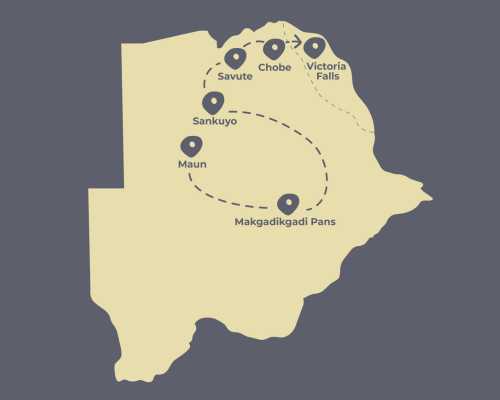
Experience the wild side of Southern Africa on this 11-day women-only adventure through Botswana, finishing in Zimbabwe. Expect goose-bump-inducing wildlife encounters, remote camping, mokoro rides, river cruises and the thundering Victoria Falls, all packed into one epic adventure across two countries.
Trip highlights
.jpeg)
Track wildlife on safari
Sleep in remote, unfenced camps and spend your days on game drives tracking elephants, giraffes, big cats and more.
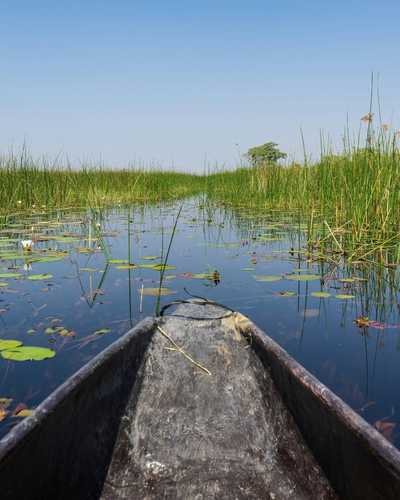
Mokoro ride on the Okavango Delta
Glide silently through the Delta’s reed-lined waterways in a traditional mokoro, with hippos, elephants and colourful birdlife all around.
.jpeg)
Meerkats in the Makgadikgadi Pans
Meet the local meerkat families and drive deep into the otherworldly Makgadikgadi Salt Pans.
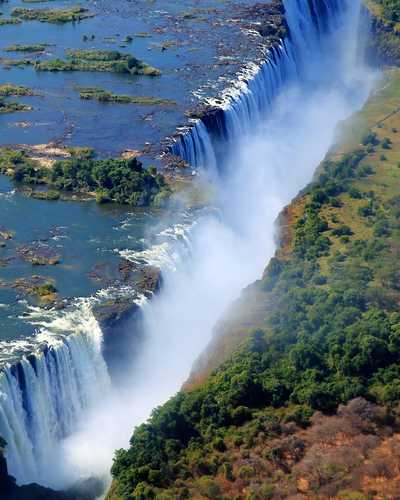
Explore Victoria Falls
Stand before one of the world’s greatest natural wonders and feel the sheer power of the Zambezi River as it crashes into the gorge below.
What's included






Daily itinerary
Day 1: Welcome to Botswana
On arrival, you’ll be welcomed at the airport and transferred to our accommodation in Maun to freshen up and settle in. Once the whole group has arrived, we’ll kick off the trip with a welcome dinner and run through the upcoming adventure.
Dinner
.jpg)
Day 2: Meet meerkats in Ntwetwe Salt Pans
Everyone has heard of Bolivia’s famous salt flats, but far fewer people have heard of Botswana’s Ntwetwe Salt Pans, despite being every bit as spectacular. We’ll jump in a 4x4 and head deep into this otherworldly landscape, where vast stretches of glistening white salt seem to disappear into the horizon.
Along the way, we’ll meet a resident gang of meerkats, discover ancient baobab trees, and keep watch for the wildlife that has adapted to life in the harsh Kalahari Desert.
Breakfast, lunch & dinner
Day 3: Explore Nxai Pan National Park
Today, we’ll explore another corner of the vast Makgadikgadi salt pans, heading into Nxai Pan National Park in search of wildlife. With its endless open plains, salt pans, and scattered baobabs, this surreal landscape makes for a safari experience unlike anywhere else in Botswana.
Nxai Pan is home to some of Botswana’s most fascinating desert-adapted wildlife, including zebra, wildebeest, springbok, and the elephants known as the “ghosts of Nxai Pan” for their habit of covering themselves in white clay dust. With a little luck, we could also spot lions, cheetahs, and hyenas roaming across the plains.
Breakfast, lunch & dinner

Day 4: Head to Sankuyo & basket weaving experience
It’s time for the safari to begin! We’ll head towards Sankuyo, a community-managed wildlife concession on the eastern edge of the Okavango Delta, stopping at Shorobe Basket Cooperative along the way. The cooperative preserves traditional basket weaving while creating income and opportunities for local women, and we’ll get to try our hand at the craft too.
As soon as we enter the concession, the game drive begins. Sankuyo’s mix of woodland, grassland and wetlands is home to lions, leopards, wild dogs, elephants and plenty more. We’ll arrive at our fully set-up mobile camp, where the team will be waiting to welcome us into the wilderness.
Breakfast, lunch & dinner

Day 5: Game drive & Mokoro ride on the Okavango Delta
We’ll start the day with an early morning game drive, when wildlife is most active. Our expert guide will put their knowledge of the Delta to work as we track wildlife and see what we can find.
Later, we’ll swap the safari vehicle for a traditional mokoro, gliding silently through the Okavango Delta’s reed-lined channels. A local guide called a "poler" stands at the back and pushes the boat forward with a long wooden pole called a "ngashi".
From the water, keep an eye out for elephants, hippos, crocodiles, red lechwe and colourful birdlife.
Breakfast, lunch & dinner

Day 6: Full day game drive in Moremi Game Reserve
We’ll spend the day exploring Moremi Game Reserve, one of Africa’s premier wildlife destinations, stopping along the way for bush coffee and a lunch-with-a-view.
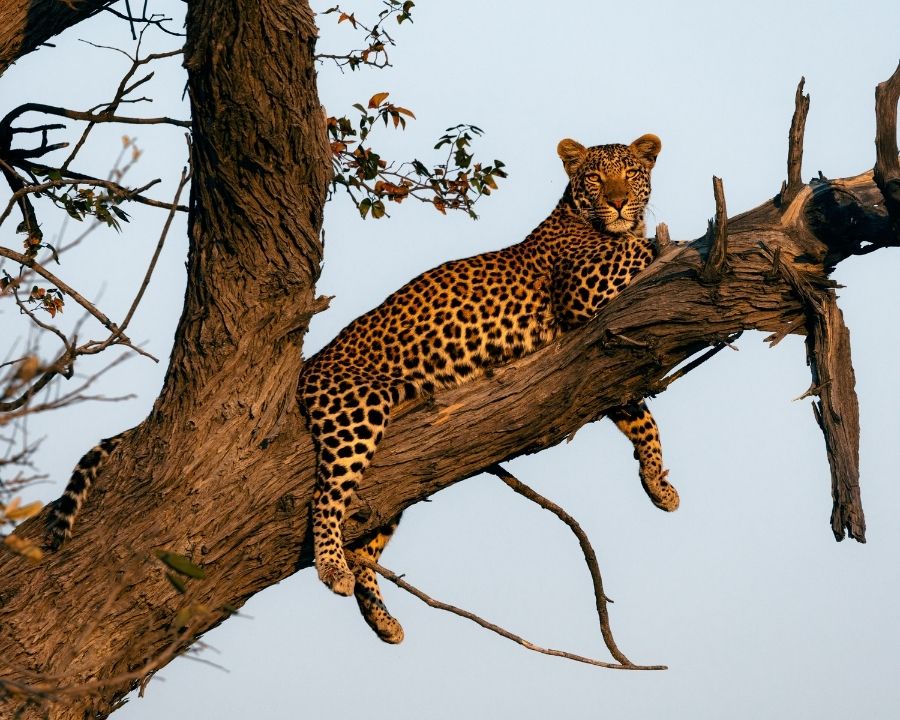
Its mix of floodplains, lagoons, woodland, grassland and waterways creates the perfect habitat for elephants, buffalo, lions, leopards, wild dogs and an incredible variety of birdlife.
Breakfast, lunch & dinner

Day 7: Travel to Savute
In Botswana, even the travel days are part of the safari. As we make our way to Savute, we’ll continue looking out for wildlife and taking in the changing landscapes along the way. Located in the southwest of Chobe National Park, Savute is famous for its unpredictable channel and thriving predator populations.
Our mobile camp and team will travel with us, setting up camp in another remote spot in the wilderness.
Breakfast, lunch & dinner
Day 8: Safari in Chobe National Park
The safari routine might stay the same – sunrise breakfast, game drive, downtime at camp, then back out for a sunset drive – but the wildlife never does.
Every drive brings the possibility of something completely different around the next corner. Hopefully, Savute is kind to us and delivers some incredible big-cat sightings along the way.
Meals: Breakfast, lunch & dinner
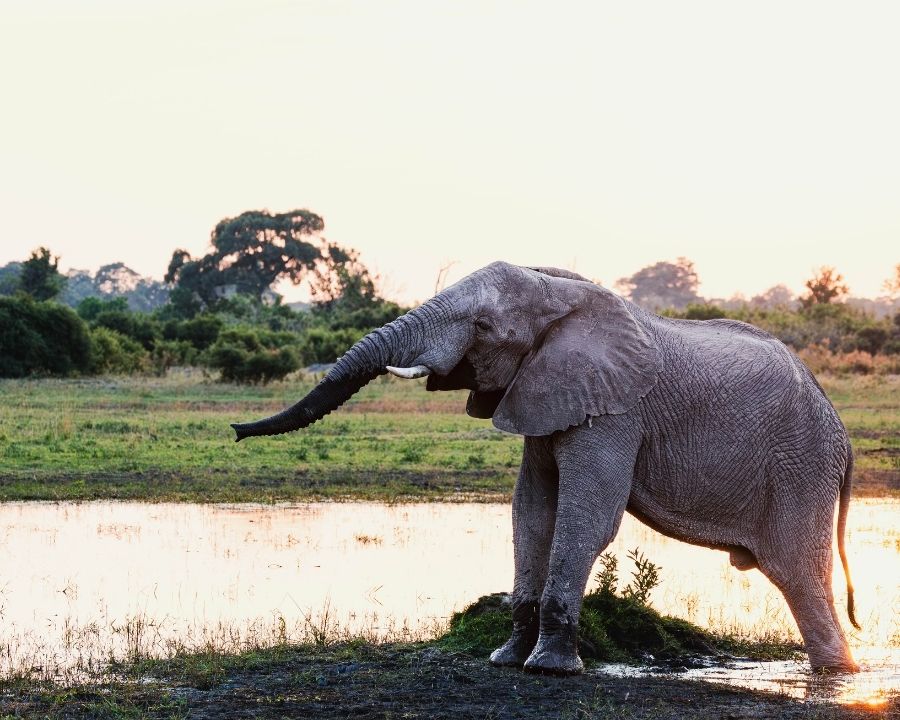
Day 9: Elephants galore on Chobe river cruise
Botswana is home to the largest elephant population in the world, with around 130,000 elephants, and roughly 50,000 of them live around Chobe. During the dry season, huge herds gather along the Chobe River each afternoon to drink, bathe and swim, and it’s not unusual to see 100–200 elephants together.
After packing up camp in Savute, we’ll head to Kasane for an afternoon cruise along the Chobe River, giving us a front-row seat to one of Botswana’s most incredible wildlife spectacles.
Breakfast, lunch & dinner
Day 10: Victoria Falls & women’s community lunch
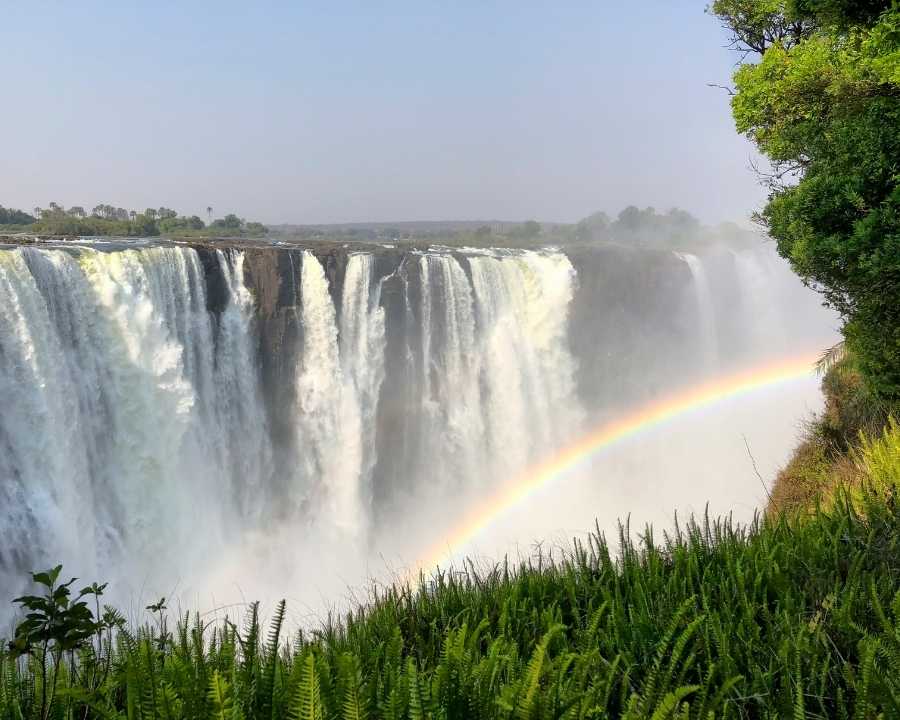
We’ll say goodbye to Botswana and cross into Zimbabwe, where we’ll visit the mighty Victoria Falls, known locally as Mosi-oa-Tunya – “The Smoke That Thunders”. Straddling the Zimbabwe–Zambia border, the falls stretch for more than a kilometre across the Zambezi River, creating an incredible wall of spray as the water plunges into the gorge below.
After exploring the falls, we’ll enjoy a traditional Zimbabwean lunch at Lusumpuko Women’s Club before rounding off our final night together with a special farewell dinner and show!
Breakfast, lunch & dinner
Day 11: Time to say goodbye
It’s time to say goodbye to your awesome tour guide, fellow travellers turned new friends, and the wonderful countries of Botswana and Zimbabwe. We’ll drop you off at Victoria Falls International Airport, ready for your flight home.
There’s so much more to see and do around Victoria Falls that we simply couldn’t fit into the itinerary. If you have the time, why not add an extra day or two and explore the area at your own pace?
Breakfast
Where you'll be staying
Mobile safari camp & hotels
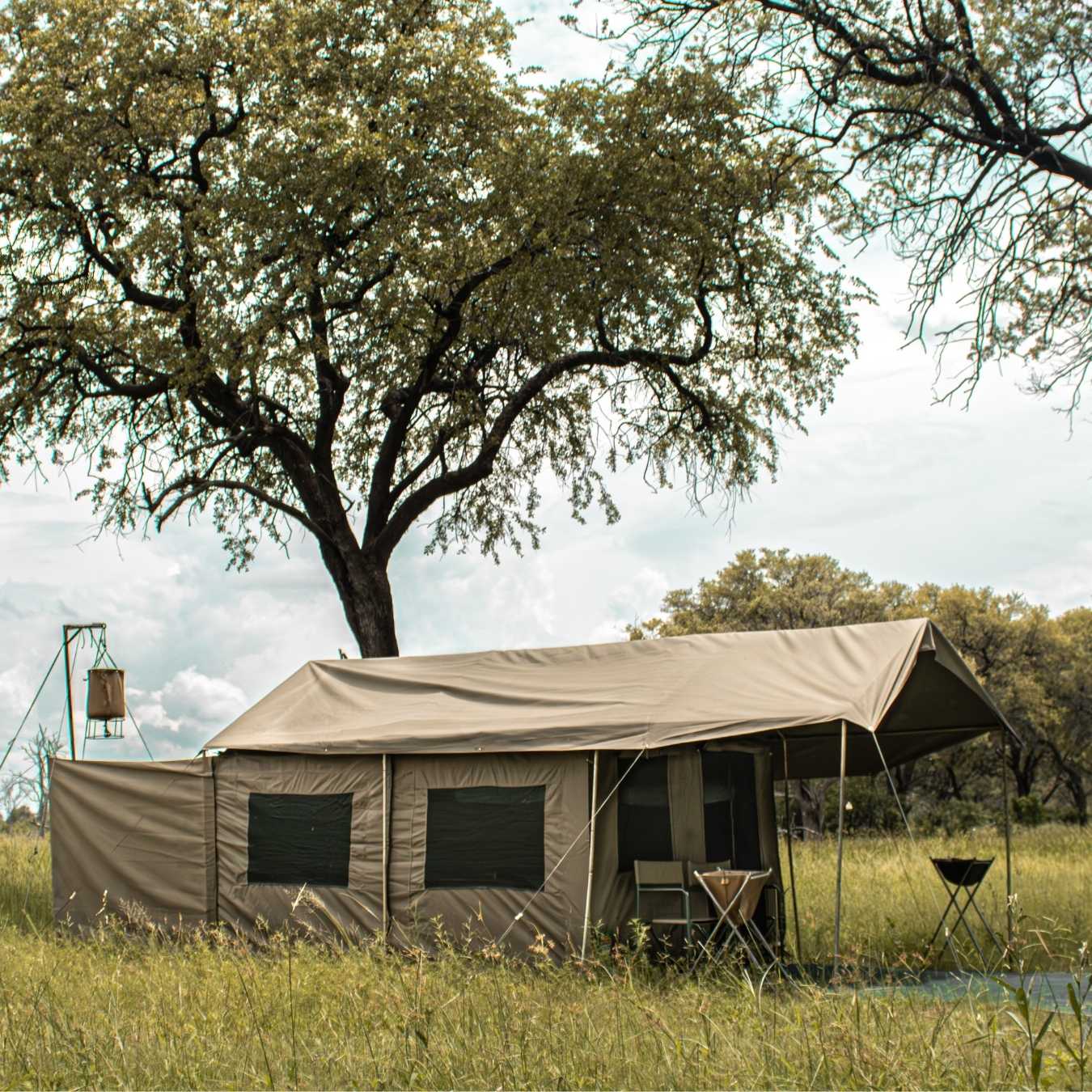
Most of the trip will be spent in our mobile safari camp, staying in Meru-style, high-roofed tents with proper beds and private en-suite bathrooms, including a long-drop toilet and gravity shower. Our camps are set up in carefully chosen, remote locations with no fences, allowing wildlife to roam freely around camp. It’s about as close to sleeping in the wild as you can get. The remaining nights will be in hotels. Rooms and tents are shared with 1–2 fellow travellers, unless you choose to upgrade to a private room or tent for an additional cost before the trip, subject to availability.
Meet your guide
.jpeg)
Dutch
Born and raised in Sankuyo on the edge of the Okavango Delta, Dutch developed a deep connection to the Delta's unique ecosystem. After completing his guide training, he worked with some of the region’s leading safari companies, becoming one of Northern Botswana’s most experienced guides with an unparalleled knowledge of the Delta.
Wild women moment

Basket weaving and women’s community lunch
Our first Wild Women Moment takes us to Shorobe Basket Cooperative, where we’ll try our hand at traditional basket weaving. The cooperative works to preserve this important tradition while empowering female-headed households and supporting local families. In Zimbabwe, we’ll visit Lusumpuko Women’s Club for a traditional lunch prepared by local women. The income generated by the club is reinvested into the Victoria Falls community, including a monthly lunch service for patients and healthcare workers at the local hospital.
What travellers are saying
One thing that stood out to me is how much thought goes into every detail. Not only are the obvious things like accommodations and activities planned, but many meals are included as well, which is something I haven’t seen on most group trips.

This was much more than just a trip for me. Being able to connect to such amazing woman, learning from each other, helping each other, has touch parts of my soul deeply. We have lived adventures that I will never forget.
%2520(9).jpeg)
It was so thoughtfully planned and organised and executed brilliantly. We had an incredible local guide and my dietary needs (vegetarian and dairy free) were always catered for.
%2520(8).jpeg)
Frequently asked questions
What is a mobile safari, and why choose one?
A mobile safari involves travelling through different regions of Botswana with a temporary camp that moves with you.
Unlike staying in a fixed lodge, it allows you to reach more remote areas, spend longer immersed in the wilderness and stay in prime wildlife-viewing locations that permanent lodges can’t access. With no one else around, wildlife encounters feel more intimate, uninterrupted and truly wild.
What animals will we see on safari?
Botswana is home to an incredible variety of wildlife, so there’s always something to look out for.
Expect to see elephants, giraffes, zebras, hippos, buffalo, wildebeest and plenty of antelope, with the chance to spot lions, leopards, cheetahs and African wild dogs too. Bird lovers are also in for a treat, particularly around the Okavango Delta.
Of course, wildlife is wild, and sightings can never be guaranteed!
Will we be camping for the whole trip?
Six of the ten nights will be spent camping, but this is definitely not roughing it. Our mobile safari camp is as comfortable as camping gets, with proper beds, spacious tents and private en-suite bathrooms, so you can enjoy the wilderness without sacrificing all of your creature comforts.
Will there be a lot of driving?
Game drives can last several hours as we explore large areas in search of wildlife, so expect quite a lot of time in the vehicle.
We’ll also have some longer travel days between destinations, but these are broken up with activities, stops along the way and potential animal sightings.
Do I need a visa?
If you hold a passport from the UK, USA, Canada, Australia or an EU country, you generally do not need a visa for a tourist visit to Botswana. Most visitors can stay for up to 90 days, but this can vary by nationality, so it’s important that you check the entry requirements relevant to you before you travel.
Travellers from the UK, USA, Canada, Australia and most EU countries need a tourist visa for Zimbabwe, but it’s straightforward to obtain on arrival for USD$30-55, depending on where you’re from. You can also apply for an e-visa before travelling.
Will I be picked up from the airport?
We include airport transfers in the trip price to keep things stress-free: pick-up (the day before or on the trip start date) and drop-off on departure day.
What airport do I need to fly in and out of?
The trip kicks off Maun in Botswana, where you’ll be picked up from Maun International Airport, and ends in Victoria Falls in Zimbabwe. You’ll be dropped off at Victoria Falls International Airport.
Need a hand with your flights? We’re experts at finding cheap flight deals!
What will the food be like?
Our camp team will prepare all our meals during the mobile safari, creating unbelievably delicious food in the middle of the bush. We’ll start the day with a simple breakfast of cereals, yoghurt, granola and toast, enjoy a packed lunch or meal back at camp, then sit down to a hearty dinner after a day of exploring.
When we’re not camping, we’ll get to sample local Botswanan and Zimbabwean food, with dishes centred around meat, maize, vegetables and hearty stews.
What’s not included?
While most expenses in Botswana are covered in the trip price, there are a few exclusions, including:
- International flights to and from Botswana
- Personal travel insurance (mandatory)
- Tips
- Extra snacks and drinks
- Any activities not included in the itinerary
- Visa fees
Is there a payment plan?
Upon booking, a £300 (or equivalent) deposit is required to secure your spot on the trip. At this time, you can also pay for the trip in full.
Want to spread out your trip payments? We can split the cost across two payments, paid 120 days and 60 days before the trip departure date. Don’t worry, you don’t need to remember these dates, we’ll be in touch when the payments are due.
Who is Stay Wild Travel?
Stay Wild organises group trips for women to adventurous destinations – places you may have thought were too challenging to explore solo or too complicated to plan.
Our tours are all about authentic local experiences, empowering women, and building meaningful connections with the people, culture, and traditional cuisines of each destination.
You’ll share these unforgettable moments with a group of like-minded women, completely stress-free.
Want to tick safari off from your bucket list?
Come with us for an experience of a lifetime in Botswana and Zimbabwe!
.jpeg)


